New York Giants cornerback Adoree’ Jackson was in college at the University of Southern California when his mother was diagnosed with breast cancer in May 2015.
- Categories:
- FISM News
New York Giants cornerback Adoree’ Jackson was in college at the University of Southern California when his mother was diagnosed with breast cancer in May 2015.
Countries hit by natural disasters such as flooding and hurricanes will automatically be able to freeze debt payments under new plans laid out by the bond market rule-setting International Capital Market Association (ICMA).
U.S. basketball star Brittney Griner has been transferred from the detention center where she had been held for more than a year to an undisclosed Russian labor camp, her lawyers announced on Wednesday.
“I think he would be making a mistake,” Trump said of a DeSantis presidential bid. “I think the base would not like it. I don’t think it would be good for the party.”
Greece will soon ban the sale of spyware, the conservative government said on Monday, after a newspaper report that more than 30 people, including ministers and business people, had been under state surveillance via phone malware.
A new study from the Veterans Health Administration, which has not yet been peer-reviewed, has found that a 5-day course of Pfizer’s Paxlovid can reduce the risk of severe illness and hospitalization from COVID-19. Researchers are also reporting that the antiviral medication may prevent those who take it from developing long COVID, a condition that experts are working to better understand.
The widely predicted stark repudiation of the party in power in Washington proved to be a mild scolding, at best.
Staunchly high inflation has been affecting consumers’ pockets, and it looks like retail credit cards are in the same boat.
The mass layoffs, the first in Meta’s 18-year history, follow thousands of job cuts at other major tech companies including Elon Musk-owned Twitter and Microsoft Corp.
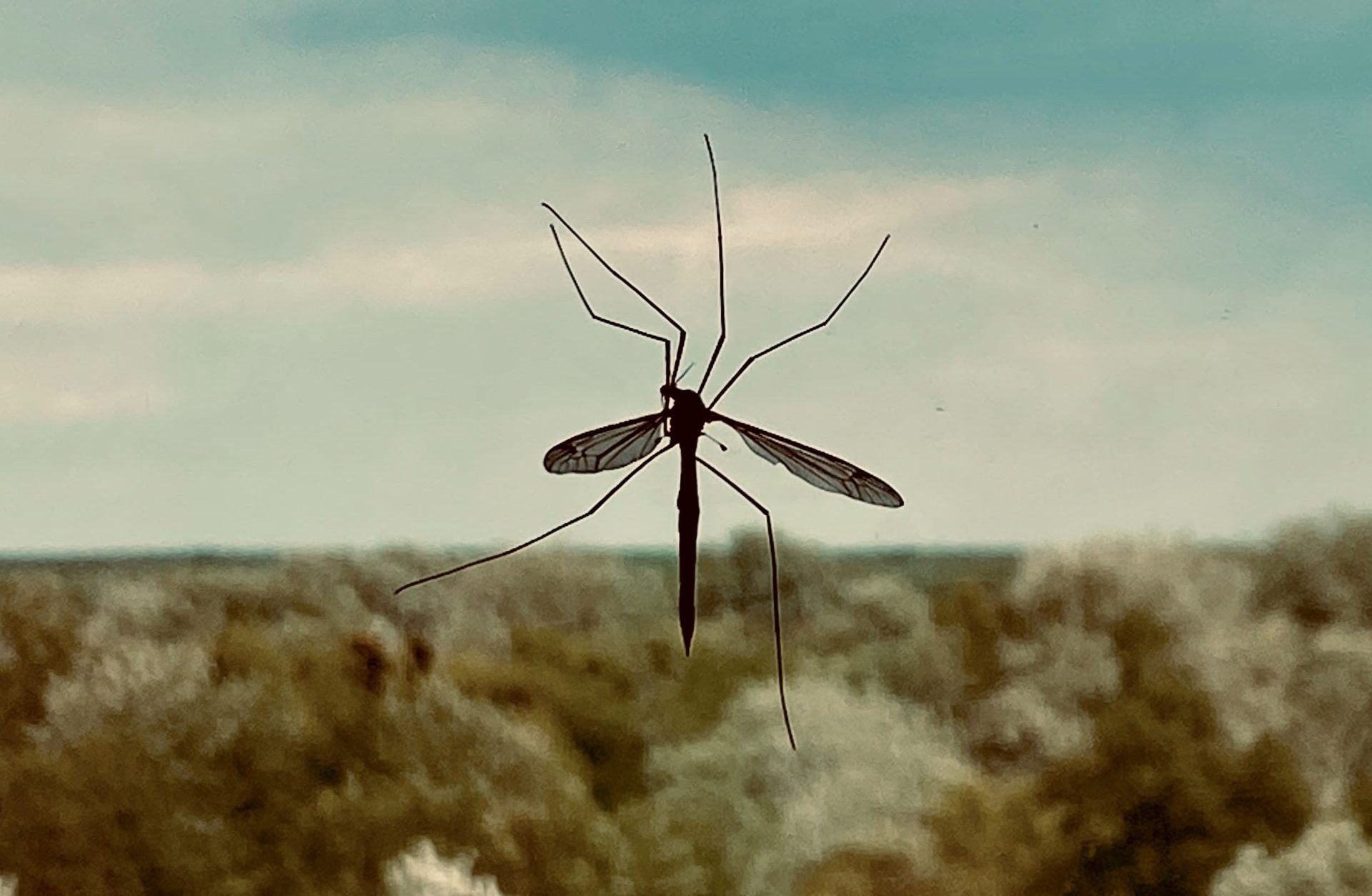
Leslie Vosshall and Maria Elena De Obaldia set out on a mission to determine the mechanistic cause of why some people seem to get bitten more often. Over the course of three years, the researchers found that people who attract mosquitos produce a lot of carboxylic acids on their skin.